
Could a Circular View Square Industry and Government Priorities?


After a record-breaking summer of heat, drought and wildfires, and a super El Niño forecast for 2027, climate action has never been more urgent and important.
In the built environment, we are responding by adapting our buildings to ensure they are resilient to climate change, whilst at the same time decarbonising them to limit, or mitigate, the extent of climate change.
But with the new Prime Minister’s focus on devolution, skills, regeneration and community renewal, we also have an opportunity to do all of this and further align industry and government priorities through a circular economy.
The circular economy, or, put simply, reduce, reuse, recycle, offers a way to tackle many of these sector-to-global problems while supporting the government’s agenda.
In the built environment, this simply means we need to better understand how to use the materials we already have and consider how our buildings are going to be repurposed at end of life, bringing this knowledge into planning how buildings are designed, built, used and maintained.
The industry is aware of this, and increasingly talking about more resilient supply chains. At a national scale, using resources we already have can reduce our exposure to global supply chain shocks whilst also supporting reductions in Whole Life Carbon and Nature-Positive approaches.
But reusing materials is not a new or a built environment phenomenon, and we only need to go back a few decades, when everything was repaired and reused before considering buying new, to see that.
Today, attitudes have changed, with people immediately finding it easier and more convenient to buy new.

But, with people more conscious of environmental and consumer issues, things are changing. People are turning to YouTube and social media platforms to learn how to fix things, while TV programmes like The Repair Shop are also helping change attitudes.
Now, in many UK communities, Repair Cafés provide opportunities for people to come together and share skills whilst repairing broken goods, enabling both financial and environmental savings compared to disposing of the item and buying new.
There are also examples of this moving at scale, with larger reuse hubs like The Rebuilt Site in Carlisle and Tipping Points East in Newham, London. All of these provide opportunities to support local communities through jobs and skills development, but also to meet net zero goals, with the UK Whole Life Carbon Roadmap citing the need for city-level networks for reuse.
Reuse, or buying second-hand, is also increasing in popularity, with Vinted becoming the third largest clothing retailer in the UK, and tools like Facebook Marketplace being used to sell everything from decorations to furniture, all signals that people are prepared to reuse more than often assumed.
In the built environment, this movement is being echoed with platforms like Materials Index, Excess Materials Exchange and the Romulus Initiative supporting projects to share and procure reused materials.
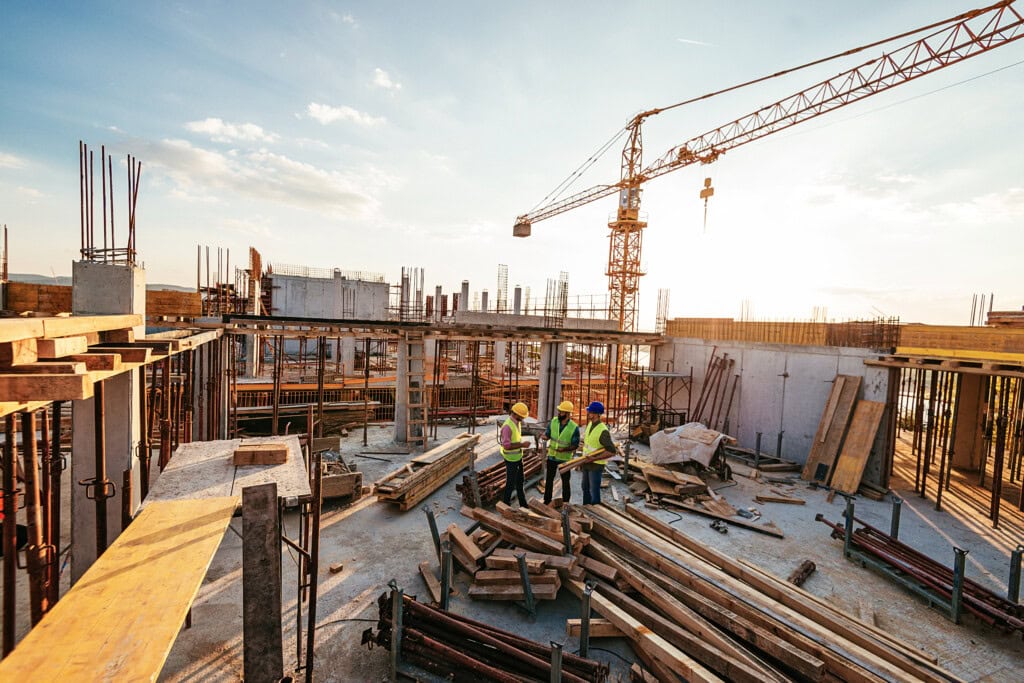
And while we often hear how risk, warranties, programme, design assumptions, and data are barriers to reusing materials, we now need policies to support embodied carbon regulation, pre-demolition or redevelopment audits, materials passports, and circular economy statements across the UK for this to become commonplace.
This is where the UKGBC, through its roadmaps, toolkits and advocacy, is driving the circular economy forward, and there are many groups and organisations tackling this, with supporting guidance.
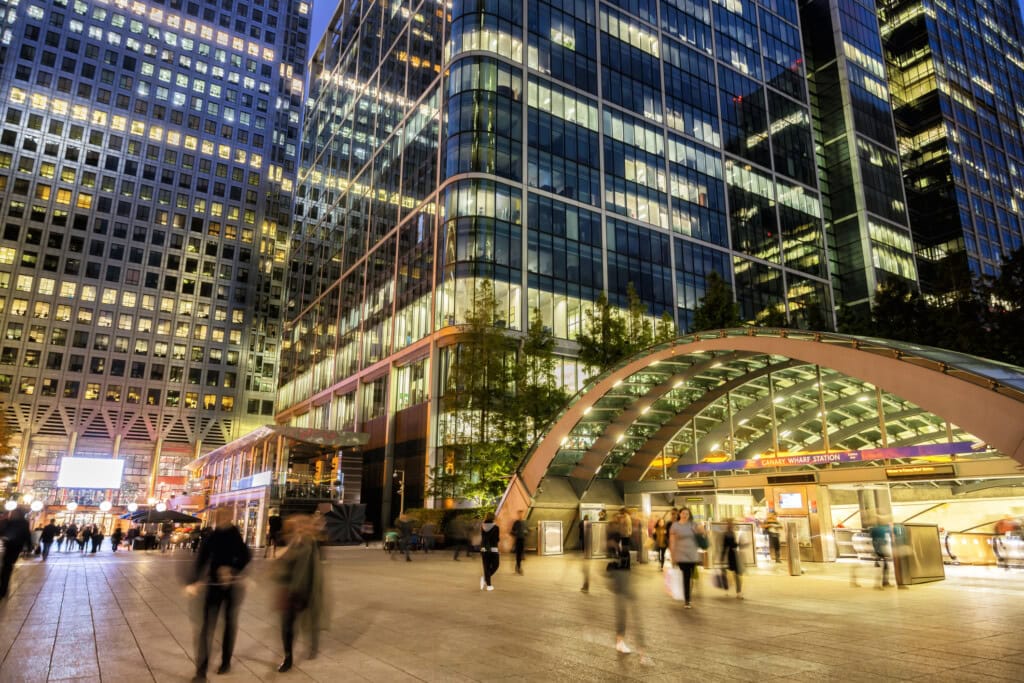
Collective action and shared examples can help this transition, showing circular economy is not an environmental trend and solution, but smart business.
If you are interested in getting involved in this work, please email clare.wilde@ukgbc.org
Related
Shaping Change Together: Collaboration and Leadership in the Built Environment


Lessons from Conference Season 2026


AGM 2026 Results


BuildingLife Campaign: How to Move from Climate Risk to Climate Resilience