Problem Addressed

Construction projects are under mounting pressure to reduce embodied carbon while still delivering durable, fire-safe, and high-performance building envelopes. Among key materials, steel is one of the most carbon-intensive, with emissions ranging from 1.5 to 2.5 t CO₂e per tonne.

Solution Overview

Firth Steels has developed a lower embodied carbon steel building envelope solution, formed by the Steel Reborn® ethos of tackling challenges from the outset, rather than offsetting later.

Fifth Steels partners with SSAB Zero™, a supplier utilising Electric Arc Furnace (EAF) technology in the manufacture of steel, which melts and recycles scrap steel using intense electric arcs between graphite electrodes. This approach delivers up to 99.9% reduction in production-related carbon emissions compared to conventional methods. The proportion of electricity from renewable sources varies by production facility. The steel is manufactured using 100% recycled scrap steel and predominantly fossil-free electricity, dramatically reducing production-related emissions while maintaining the structural performance expected of roofing and cladding products.

Firth Steels then roll-forms it into wall and roof profiles, applying various bio-based or lower GWP coatings (such as Mission XP40R® and GreenCoat® Pural BT Zero), which increases the durability, weather resistance and aesthetics. GreenCoat® Pural BT Zero replaces a significant proportion of traditional fossil-based components with Swedish rapeseed oil and other biobased materials, helping to reduce environmental impact while enhancing long-term corrosion resistance and weather protection.

Firth Steels also integrate these coated profiles into site-assembled Protex Voyage™ systems, designed for low embodied carbon and backed by a 25-year full system guarantee and up to 40-year external finish warranties. The system enables customisation to meet specific fire, thermal, acoustic, and sustainability requirements, and is supported by a vetted Protex® Approved network of suppliers, fabricators, and contractors for consistent quality and support. Manufactured in Yorkshire and delivered through the Protex® Approved network, the system enables project teams to specify a lower embodied carbon building envelope using established design, procurement and installation practices.

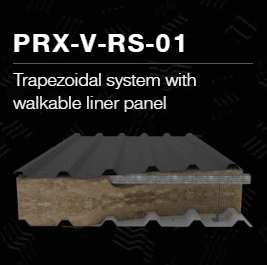
The system is rigorously certified for safety, tested by Warrington Fire, BRE Global, and LPCB, and achieves LPS1181 EXT‑B status. In its roof configuration (PRX‑V‑RS01), it delivers notable performance including U-value of 0.2 W/m²·K, Broof(t4) fire rating, 40 dB acoustic attenuation, and flexible depth up to 250 mm. It is also supported by independently verified Environmental Product Declarations (EPDs), providing transparent whole-life carbon data for project teams.

Whilst there are a range of low embodied carbon cladding options available (including bio-based and carbon sequestering options), steel cladding excels in environments demanding exceptional durability, low maintenance, and fire resistance where its non-combustibility, ability to withstand harsh weather, and longevity deliver clear advantages. By combining lower-carbon steel production, biobased coating technology and independently certified system performance within one commercially available solution, Protex Voyage™ demonstrates how embodied carbon can be reduced without compromising technical performance or long-term durability.

Facts and Figures

– 0.11 W/m²·K U-value
99.9% recycled steel
98% fossil free energy
50% reduction in embodied carbon

Case Study

Coming soon.

Related members

Firth Steels

Related