
How to Move from Climate Risk to Climate Resilience

Like many people in the UK, I found summer of 2026 to be particularly hot. The public consciousness seems to have shifted from one of personal inconvenience to a growing understanding of the threats to health and people from a changing climate and the wider business impacts. I sat in meetings where senior leaders in real estate were, for the first time, expressing real concerns about the performance of their assets.
Owners experienced disruption to their operations as chillers failed and IT systems shut down. Power supplies failed leading to a re-examination of their infrastructure strategies. And the data supports this shift. A 2025 global survey of 400 senior business leaders in real estate found that over 68% say climate physical risk, cost of insurance and insurability are of rising concern in the next three years. In the UK, that number is over 80%. Parts of the built environment could become unviable or uninsurable without significant adaptation. And all while the fossil fuel price shocks continue to drive up energy bills and material costs in the construction supply chain.
So, the smart investors are waking up and doing something about it with properly integrated transition plans that simultaneously reduce exposure to volatile fossil fuels whilst building resilience to extreme heat, floods, drought and storms. A new report by World Economic Forum found that eighty-five per cent of CSOs expect adaptation to become a greater global focus. 77% say private investment will be decisive, yet 62% identify uncertain cost-benefit assessments as a major constraint. By properly considering decarbonisation and resilience in an integrated way, we can find synergies and efficiencies, minimise cost and disruption and get back on the front foot, with confident plans that are technically feasible, commercially viable, practically deliverable and supported by key stakeholders.
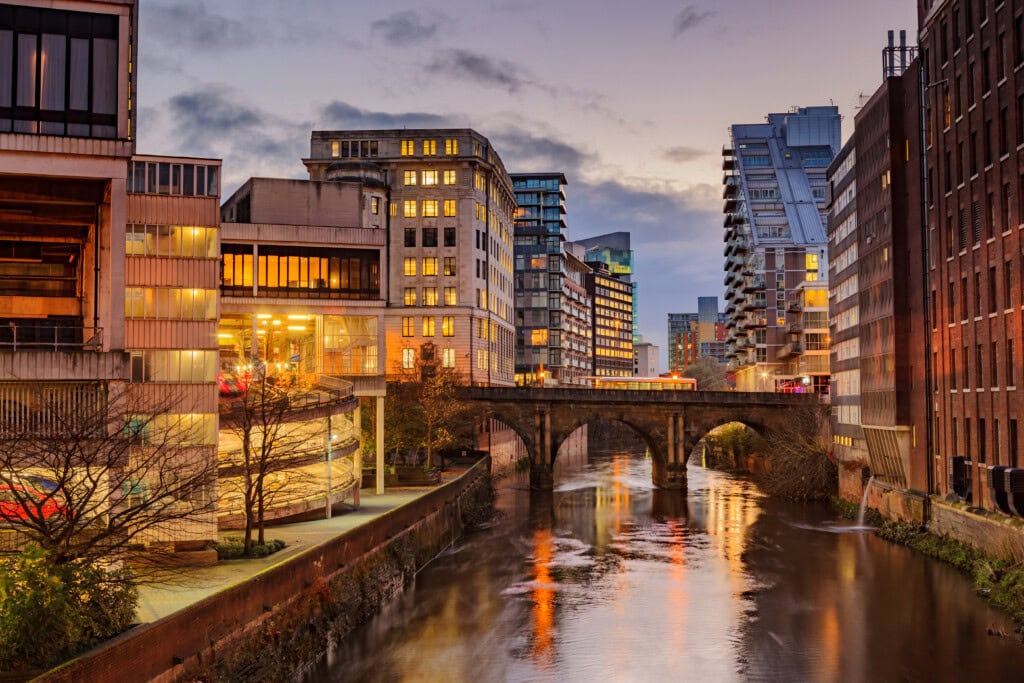
Fortunately, we have a great place to start with two sector-wide transition plans from UKGBC – which I am helping to champion as a UKGBC ambassador. The Net Zero Whole Life Carbon Roadmap and the Climate Resilience Roadmap explain the broader context and tell us what needs to be achieved by when. They provide stakeholder action plans, checklists and processes that can be followed whether you are an investor, developer, owner, occupier or professional advisor such as architect or engineer. The Climate Resilience Roadmap stakeholder action plans were released this week and can be downloaded here.
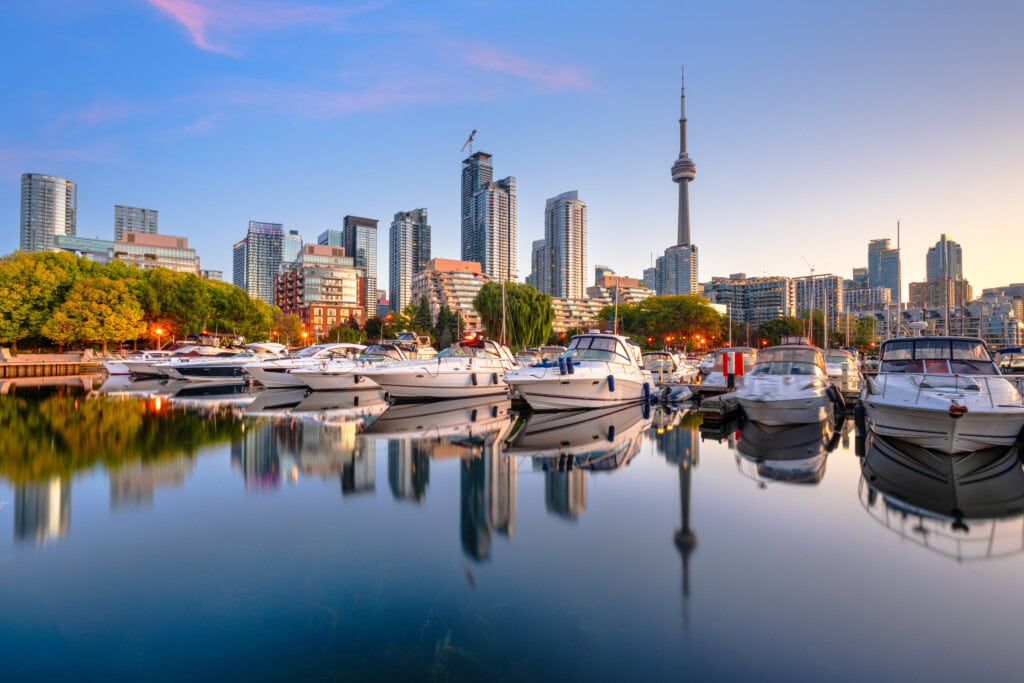
And there are many great examples to follow. From City of London to LA and Toronto, cities are evaluating the hazards and vulnerabilities and producing adaptive pathways with short-, medium- and long-term actions. They are identifying key interventions such as ‘cool streets’ programmes, infrastructure upgrades and retrofit programmes to buildings as well as mainstreaming resilience in their core departments and processes. They are building rounded business cases that quantify the co-benefits such as protecting health of residents, improving the attractiveness of their business districts and using that to secure revenue and capital funding.
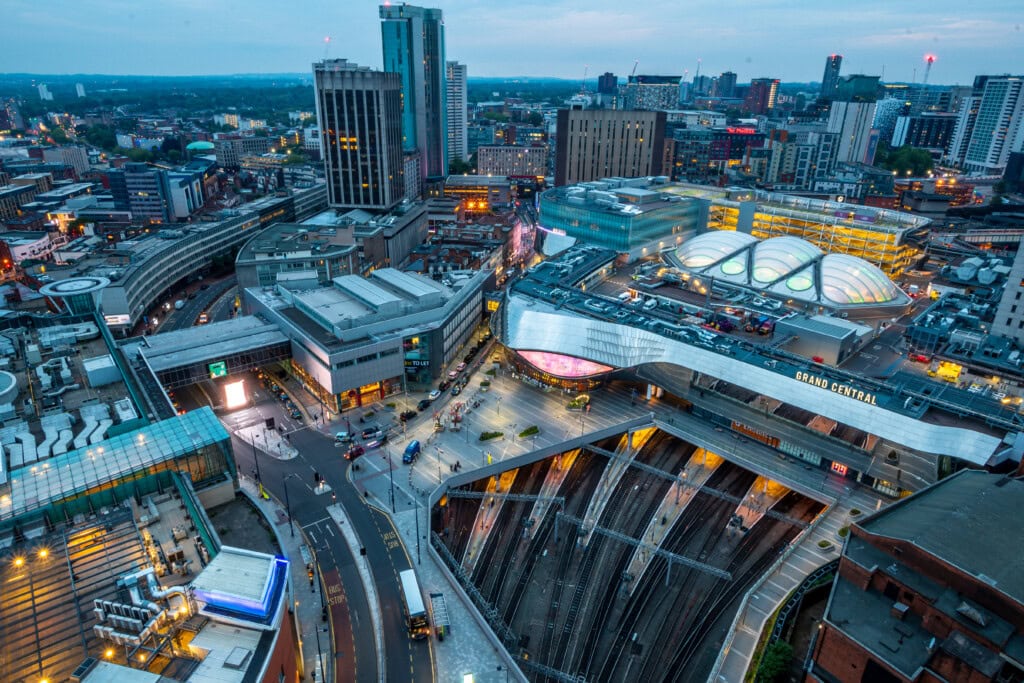
Portfolio asset managers are carrying out asset screening using climate risk tools and publicly available data sets. They are then reviewing physical risks in more detail, considering asset characteristics and local infrastructure, followed by a full risk assessment based on site visits and engagement with asset teams. From acquisition due diligence to evaluation of existing owned assets, these assessments allow the production of implementation plans with capital costs and timelines and an understanding of the impact on operating costs, rental income and other factors affecting asset value.
By considering the detailed activity at the asset level, it is possible to consider the relationship between transition risk and physical risk – such as how future cooling needs could drive up energy use intensity – and the opportunity to address both together through passive solutions like window upgrades and shading systems. By thinking over a 15-year horizon, it’s possible to assess not just the full capital cost of works but the marginal cost when replacing plant at end of life and how a climate-resilient scenario compares against a BAU scenario to meet forthcoming regulations such as Minimum Energy Efficiency Standards (MEES). Crucially, it allows for careful phasing around lease breaks to minimise disruption to occupiers and rental income.
This summer I experienced the benefits of buildings and infrastructure that had been designed with resilience in mind – the air-conditioned Elizabeth Line and the office where I work with passive and active cooling systems that maintained a comfortable, productive environment whilst also being very low energy.
And the good news is, the research tells us this kind of integrated approach makes good business sense. The same research carried out by Buro Happold and FT Longitude found that by adopting a leadership position on integrating sustainability into real estate it is possible to materially improve financial performance – and that’s a good driver to action for everyone. So, in the face of uncertainty, there is also opportunity. Now is the time to start by carrying out a climate physical risk assessment for your assets, portfolio, city or business – so you too can build a plan, secure investment and shift from risk to resilience.

Related
Shaping Change Together: Collaboration and Leadership in the Built Environment


Lessons from Conference Season 2026


AGM 2026 Results


UKGBC responds to Ed Miliband’s UN General Assembly Statement

