
A Better Built Environment with the UK Green Building Council
UKGBC brings together hundreds of organisations across the built environment to accelerate practical, ambitious policy and industry action for a decarbonised, nature-positive, climate-resilience UK. We work with industry, local authorities and government to shape evidence-based policy that delivers warmer homes, lower bills, good jobs, healthier places and stronger communities.
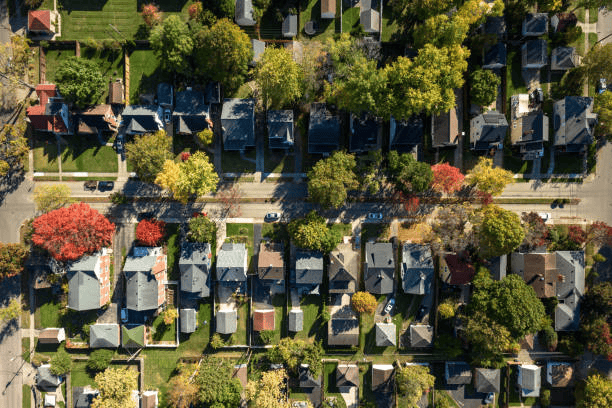
Priority outcomes for a better built environment
Policy levers to deliver these outcomes
These core policy levers are needed to deliver a decarbonised, nature-positive, climate-resilient built environment while delivering growth, security and opportunity.
EXISTING BUILDINGS (Retrofit)
- Deliver a long-term national retrofit strategy: stable funding, and a delivery system that gives industry confidence and creates a pipeline of work for local firms.
- Unlock fair, accessible finance and cut electricity bills: create incentives and pricing reforms that create a self-sustaining retrofit market and make clean heating cheaper than fossil fuels.
- Strengthen standards for homes and commercial buildings: clear MEES trajectories with real enforcement and support.
- Reform EPCs and operational performance data: metrics that reflect comfort, cost, resilience and real-world energy use.
- Enable place-based delivery through empowered local authorities: scale area-based retrofit models with local skills development, green jobs and long-term coordinated funding.
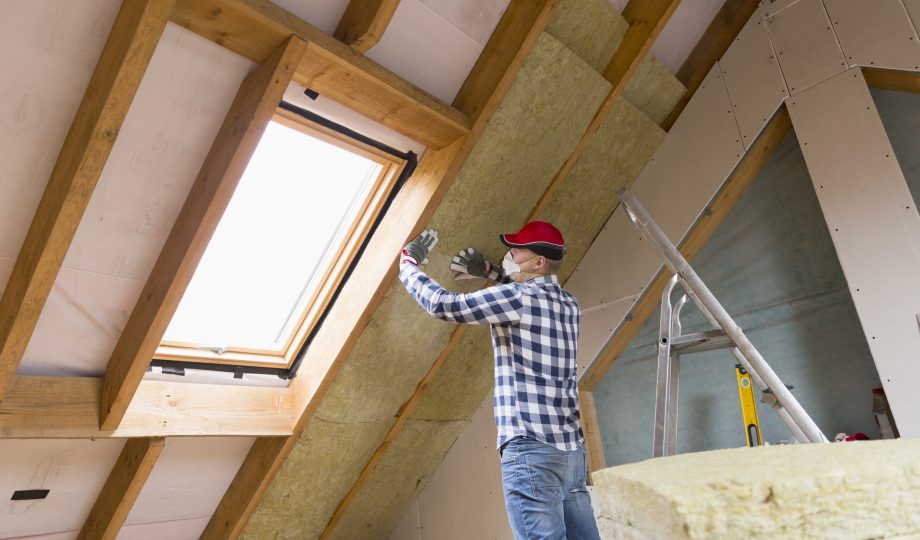
NEW BUILD (Future Homes)
- Set clear timeframes for uplifts to the Future Homes & Buildings Standards: set out a strategy for improving building regulations long-term so industry can prepare.
- Introduce whole life carbon assessments, followed by embodied carbon limits in regulations: clear thresholds for major developments.
- Embed circular and reuse-first construction principles: through the national circular economy strategy alongside planning priorities for reuse of existing buildings.
- Mandate nature-positive and climate-safe requirements: integrate resilience regulations and nature-positive design guidance to protect communities, livelihoods and biodiversity.

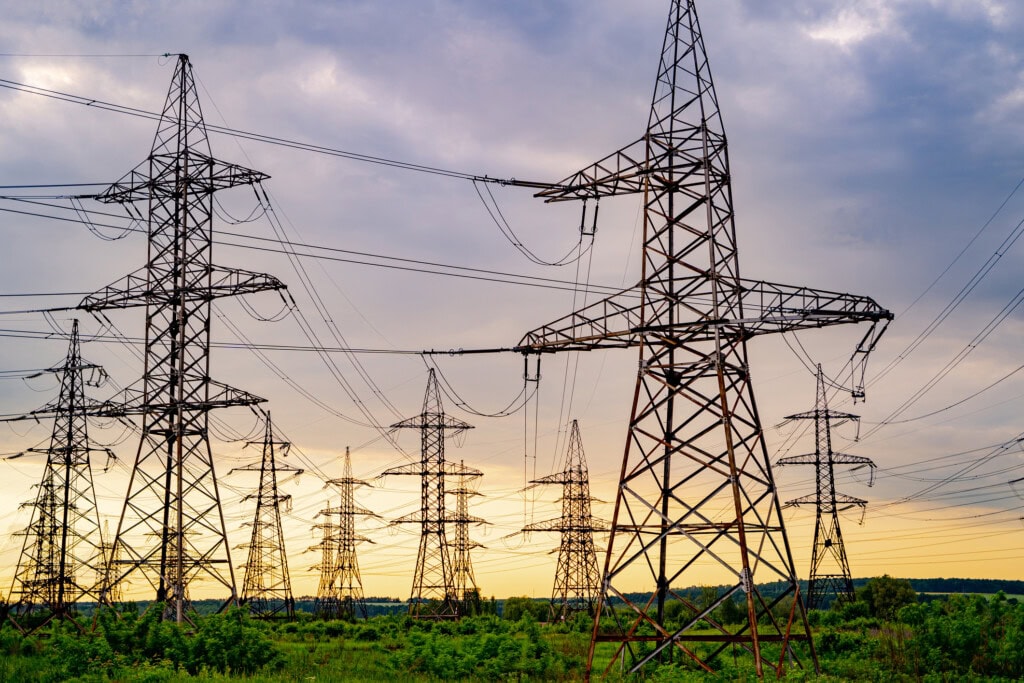
ENERGY SYSTEM
- Deliver cheaper clean electricity for buildings: decouple electricity from gas to make clean heating and power genuinely cheaper, and ease pressure on the cost of living.
- Accelerate solar, storage & local energy: enable easy integration into new developments.
- Align grid upgrades with housing & retrofit: accelerated through strategic Spatial Energy Plans, Local Area Energy Plans and anticipatory investment.
- Ensure grid-ready buildings and places: planning and building regulations that support EV charging, flexibility and smart systems.
- Support community and neighbourhood energy schemes: Warm Homes Fund and Local Power Plan backing for local generation and flexibility.
CLIMATE RESILIENCE
- Establish a national adaptation strategy and Office for Resilience: clear leadership, cross‑government coordination, and long‑term funding for adaptation.
- Embed climate‑safe planning and building regulations: overheating, flood risk, water scarcity and resilience embedded in all new development.
- Deliver resilient retrofit for existing buildings: shading, ventilation, flood resistance, water efficiency integrated into retrofit programmes.
- Scale nature‑based resilience everywhere: SuDS, green roofs, wetlands, street trees, and river restoration to protect homes and improve local environments.
- Build local authority capacity and green skills: funding for training of resilience professionals to deliver climate‑safe places and good green jobs.

NATURE & NATURAL RESOURCES
- Set a national nature‑positive target and definition: provide clear direction, measurable indicators, and accountability.
- Develop nature‑positive planning and building design guidance: ecological impact assessments, ecosystem performance indicators, and strengthened BNG.
- Embed Local Nature Recovery Strategies across development: support decision-making across land allocation, housing, energy and infrastructure.
- Introduce fiscal incentives for nature recovery: Treasury reforms to reward biodiversity gains and natural capital value.
- Demonstrate public sector leadership: public estate as a demonstrator of nature‑positive estates
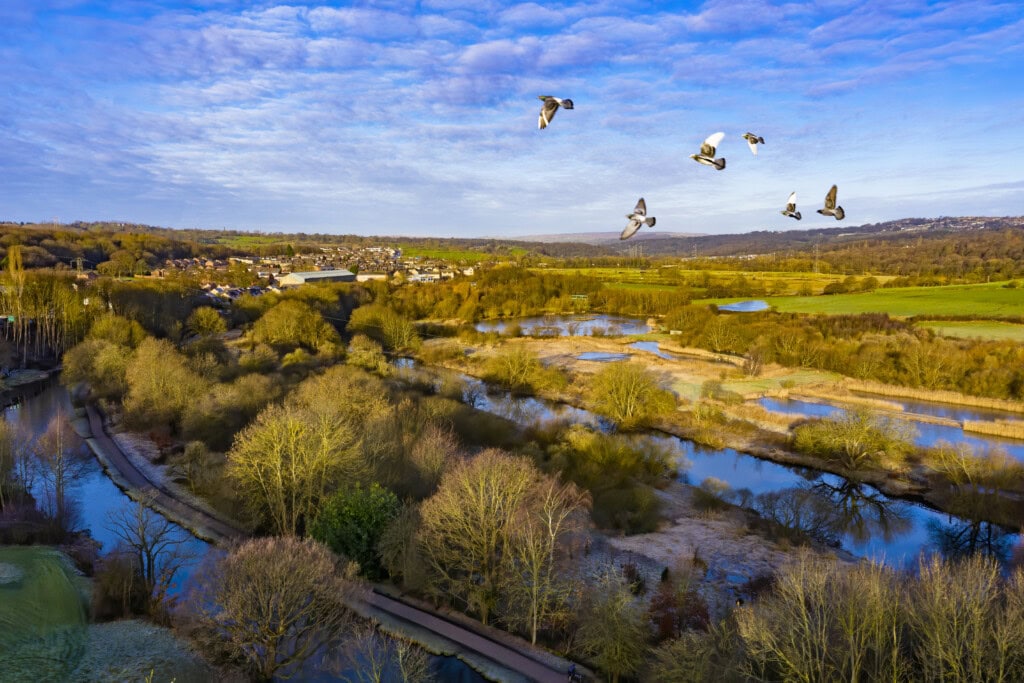
REGENERATIVE PLACES
- Adopt long‑term strategies for place: stability for housing and retrofit programmes which transcend political cycles and support long-term investment.
- Scale place‑based delivery models: integrate housing with community, nature, climate, health and local economy.
- Empower local authorities as place stewards: resources and powers to convene local partners and align priorities.
- Reform fiscal value systems: reward long-term social and ecological outcomes.
- Create space for local innovation: devolution frameworks that enable bottom-up solutions and community-led action.

Related
Consultation Response: National Planning Policy Framework 2025
UKGBC responds to the new Government's National Planning Policy Framework (NPPF) consultation 2025.


Warm Homes Stamp Duty Incentive Calculator
An interactive page illustrating how a Warm Homes Stamp Duty Incentive could work and designed to encourage homeowners and buyers towards low-carbon upgrades.


Growing the Market for Low Carbon Industrial Products Consultation Response
UKGBC responds to the Government's consultation on stimulating demand for low carbon industrial products.


Improving the Energy Efficiency of Socially Rented Homes Consultation Response
UKGBC has responded to the Government's consultation on minimum energy efficiency standards for socially rented homes.

