
Problem Addressed
The construction and demolition sector accounts for around 60% of total UK waste by weight. Whilst a large portion of this material is diverted from landfill, only a small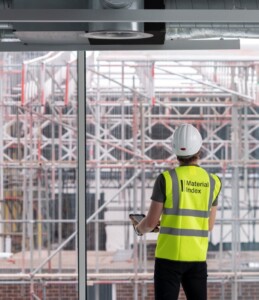 proportion of building materials are directly reused, with estimates typically ranging from Increasing the recovery and reuse of materials ensures they are kept in use at their highest possible value, rather than being downcycled, and can provide low-carbon resources for new developments. However, one challenge is understanding which materials are available to be reused in a building due to the complexity of materials used.
Case Study
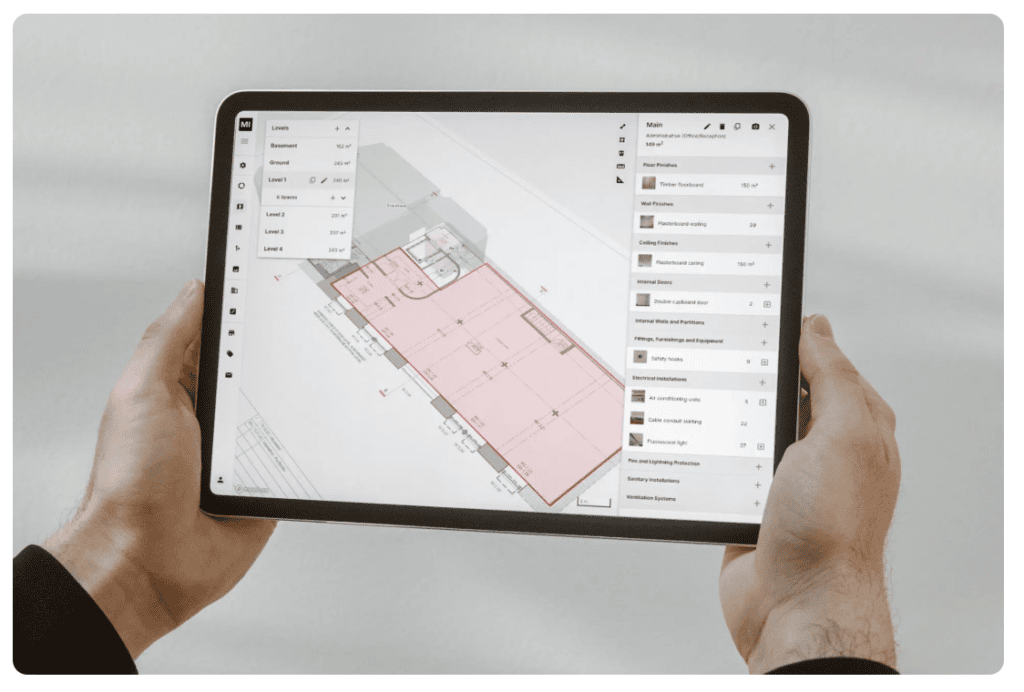
Material Index was instructed by Gardnier and Theobald to perform a Pre-Deconstruction Audit (PDA) for the redevelopment of the 38-70 Baker Street site in London, as part of Derwent London’s portfolio. Material Index completed the site-survey using the platform, supplementing site visits with a detailed review of existing site documentation. Particular attention was given to understanding the existing brickwork on-site, taking into account age, demand and mortar type to provide estimated reclamation rates to support the planning process. The interactive pathways page allowed the project team to login and review reuse targets throughout the project – which was particularly important due to specific project planning conditions around reuse in Westminster. The goal was to identify opportunities for material reuse across five existing buildings (33,000m2) ahead of their planned demolition.
The audit, conducted in line with BREEAM and GLA Circular Economy Guidance, identified a total of 28,100 tonnes of material, with an estimated embodied carbon value of 20,643 tCO₂e. A target for the project is to achieve a 29% on-site reuse rate by volume, primarily through the innovative reuse of concrete slabs and bricks.
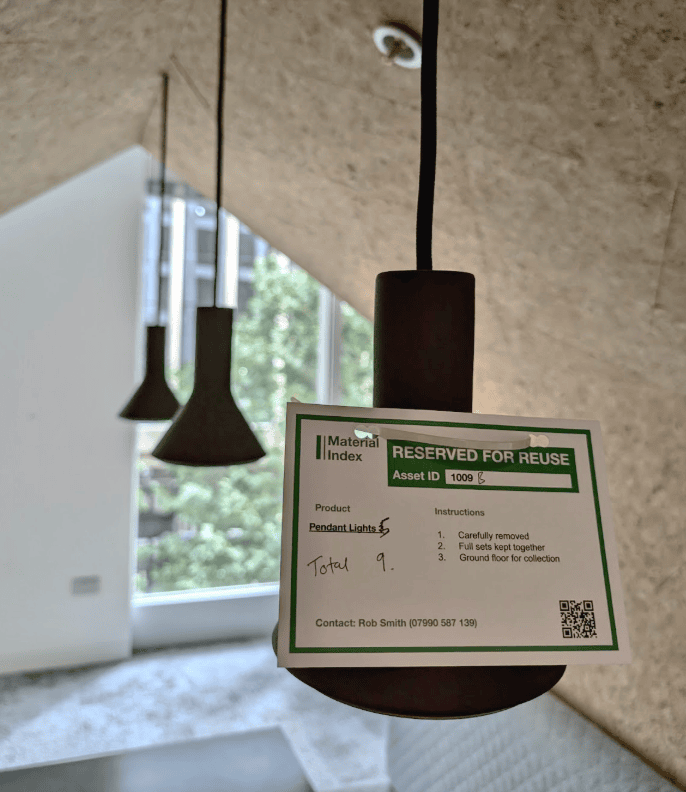
The report identified that while some materials, like MEP equipment and windows, have limited reuse potential, others like raised access flooring, timber, and certain sanitaryware could be successfully reused off-site. Overall, the project is targeting a total material diversion from landfill of up to 98% through a combination of on-site reuse and recycling.
This PDA serves as a crucial case study, demonstrating how detailed audits can inform early-stage project decisions, set ambitious sustainability targets, and provide the data needed to track a project’s environmental performance.
Facts and figures
Learn more about Material Index

Related
Reused Materials Exchange Marketplace

Low-embodied carbon steel cladding


Cost and carbon calculator to inform design decisions

