
Secondary Materials Markets: where are we now?


Material reuse is a key part of the circular economy: it helps reduce waste, lower embodied impacts and can enable more localised supply chains. Over the last year, there have been an increasing number of initiatives which aim to scale materials reuse within the built environment sector through secondary materials marketplaces. Reuse hubs have also been identified as a key priority in Scotland’s circular economy and waste route map to 2030 and in DEFRA’s circular economy guidance for mayoral strategic authorities.
In 2022, UKGBC launched the System Enablers for a Circular Economy report, which highlighted secondary materials markets as one of the eight key enablers to the circular economy. A secondary materials market was defined as a marketplace for materials and construction products that had a previous life and are easy to procure from. These marketplaces help overcome these barriers to material reuse:
- Limited availability of secondary materials
- Limitations on storage of secondary materials
- Difficulties in the procurement of secondary materials
- Risk being pushed onto contractors
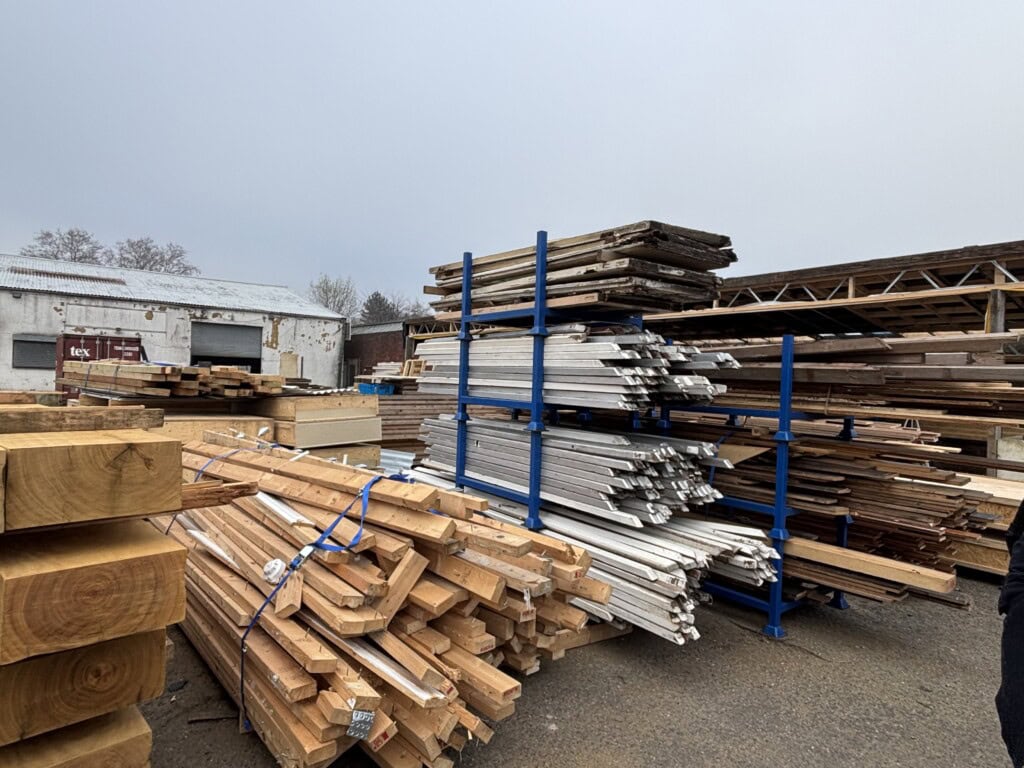
Secondary materials marketplaces seem to fall into either physical or digital marketplaces. Physical reuse hubs provide storage, spaces for materials to be tested, certified and physically inspected, enabling wider use of reclaimed materials. Equally, digital platforms can provide key documentation or materials passports , and allow materials to be uploaded and collection time-matched between projects.
barriers to delivery and implementation, and risk, insurance and warranty, makes secondary materials more difficult to use on projects compared to new materials.”
Procuring reused materials from physical or digital marketplaces is not common practice and something that the supply chain is not used to. This means they often face barriers to scaling successfully, as often seen with innovative solutions. The Scaling Sustainable Solutions for the Built Environment: Barriers & Enablers report highlighted that these barriers are often systemic rather than technical. However, many new pilots and initiatives aim to tackle these barriers, hopefully enabling material reuse to scale and become part of business as usual.
One example is tackling the challenge of time-matching materials between projects. The Romulus project in London has been bringing project teams together, looking at where timelines are complementary, enabling materials to be reclaimed from one project and used on another. During this process, the physical inspections of materials have been an important consideration to ensure they are able to be used on the recipient project.
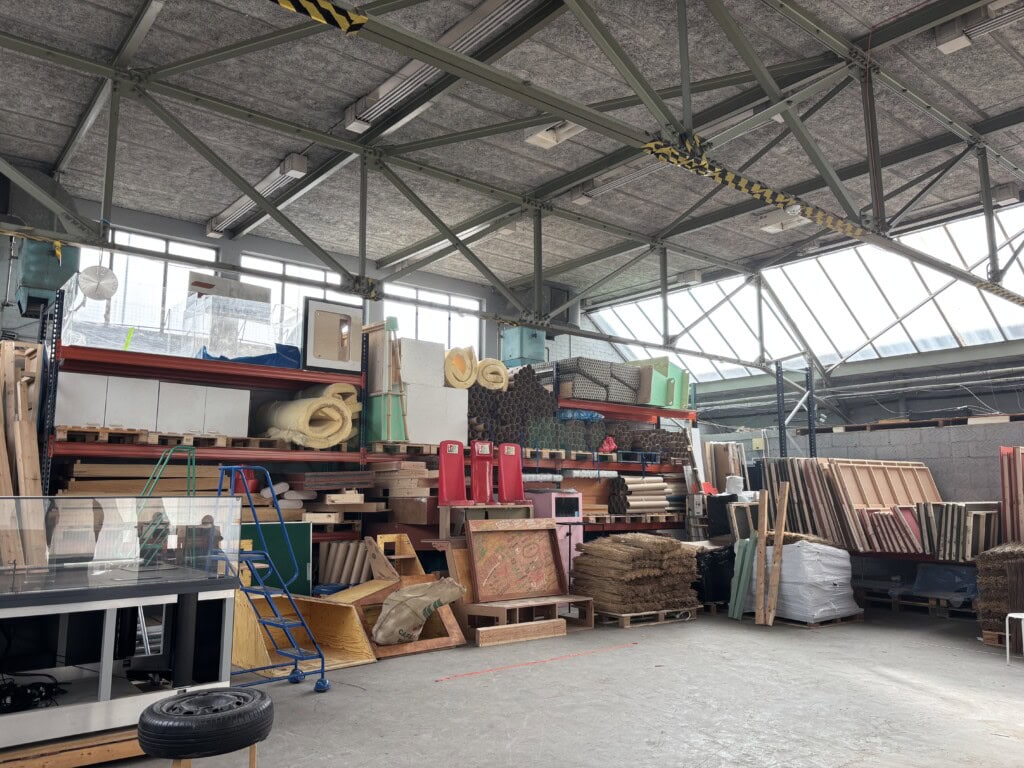
The lack of storage for secondary materials has also been a barrier to scaling material reuse. There are a few reuse hubs across the UK, such as the ReBuild site in Carlisle, and more are opening across the country. The CirCoFin project is trialling a circular construction hub in the Scottish Central Lowlands region, aiming to cover several cities and rural areas. The FIS’s project reuse has piloted a reuse hub specifically focused on suspended ceilings and luminaries. In London, , who use circular practices as a materials-first approach to designing and building, have been founders alongside Material Cultures and to open Tipping Points East in Newham. This meanwhile-use site is planning to expand to cover more of the site over the next five years, looking at the testing and refurbishing of materials to enable them to be reused. They are looking at materials which do not already have a defined route and experimenting with packaging up materials to enable design within constraints.
Collaboration and engagement with the supply chain have consistently appeared as key enablers for delivery material reuse and trialling innovative approaches. Engagement with the design team and supply chain to communicate why this matters for the project can help ensure the material reuse is achieved. Equally, having conversations early allows for identification and mitigation of risks, enabling stakeholders to be bought into the approach. Anecdotally, talking to people to understand why processes are done one way and if they can be approached differently can lead to positive results. Engagement across the sectors is also important to enable marketplaces to scale and create space for collaboration, as demonstrated through a recent ACAN Roundtable
Collaboration and engagement with the supply chain have consistently appeared as key enablers.”
The expansion of reuse hubs and platforms will help tackle part of the problem when reusing materials. However, understanding how to reclaim materials from buildings in a condition which enables them to be reused and working with the supply chain to ensure they have a route to be tested, certified and warrantied, can still be very material-dependent. It is also important to consider this when designing buildings now, to ensure they are designed for disassembly, enabling material reuse and recovery in the future.
System Enablers for a Circular Economy


Engaging the Supply Chain: A Practical Guide to Delivering Sustainability Outcomes


Circular Economy Implementation Packs for Products as a Service and Reuse


Resource Use


Circular Economy


Related
EPDs and Materials Passports in Circular Construction


What are Material Passports and what are the benefits of using them?


What are the environmental impacts of construction materials? An introduction to Embodied Ecological Impacts


What does it mean to be 100% circular? Metrics, Benchmarks and Indicators for the Circular Economy

