
The Warm Homes and Buildings Plan: UKGBC Policy Team Analysis


Simon McWhirter, CEO of UKGBC, said:
This Warm Homes Plan represents a vital and necessary step towards delivering comfortable, affordable and future-proofed homes and buildings across the UK.
UKGBC has long issued a clarion call for a long-term national strategy to tackle the challenge of retrofitting all our homes and commercial buildings at scale, and we are pleased to have worked alongside industry and government to help shape its development.
We welcome the ambition for a solar ‘rooftop revolution’, low interest loans to help households wean themselves off volatile fossil fuels, and the focus on protecting low-income householders. By harnessing abundant solar energy and heat pump technology to both heat and cool buildings, the plan will help future-proof against rising bills and our rapidly warming climate.”
Our Analysis
Key Figures
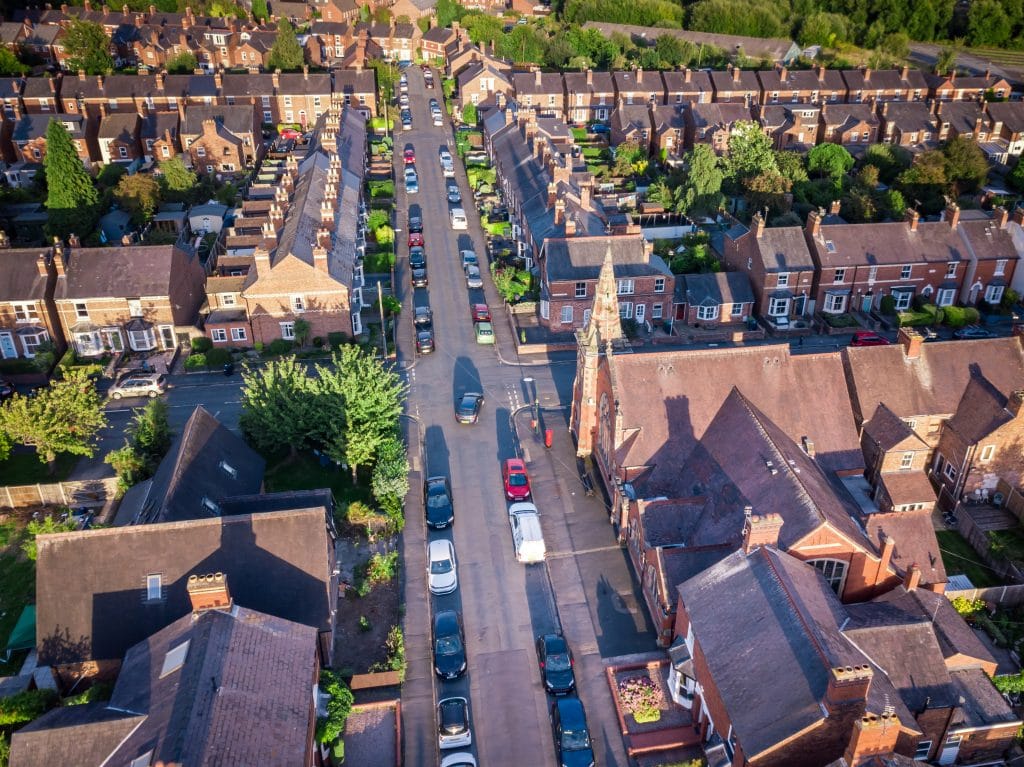
The government’s Warm Homes Plan marks a significant moment for the UK’s housing stock. With £15 billion of public funding committed this Parliament, the Plan sets out an ambitious programme to cut energy bills permanently, tackle fuel poverty, and accelerate the transition to low-carbon homes.
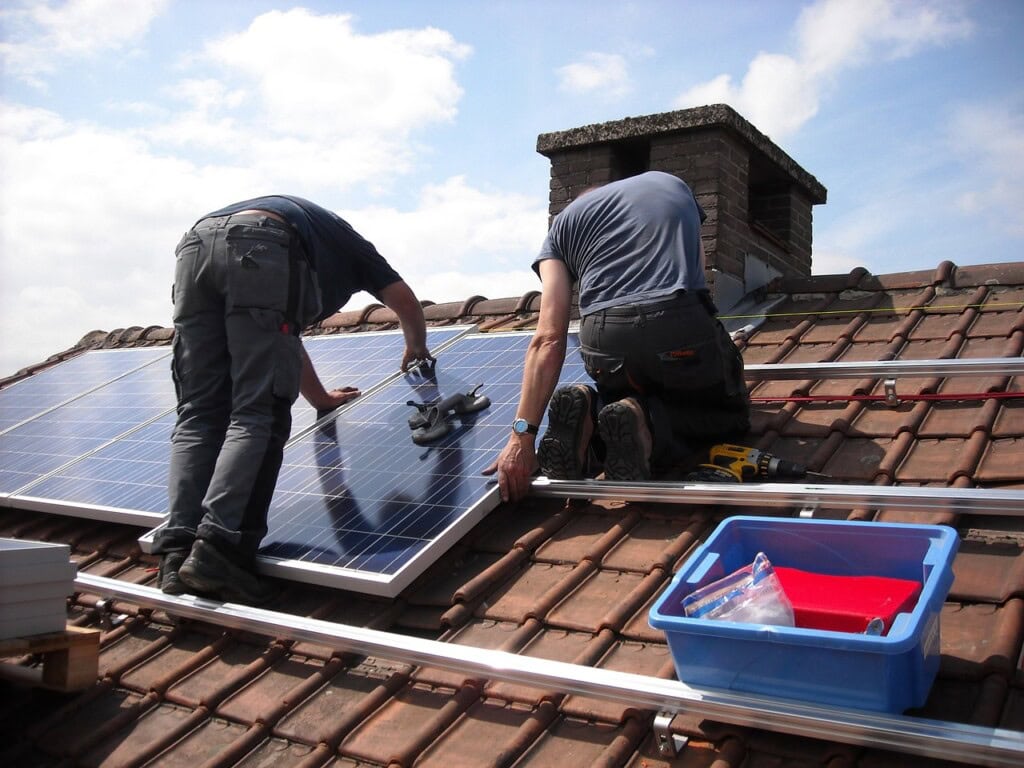
At the heart of the Plan is a strong focus on technologies that can help households reduce their energy costs. Rooftop solar is positioned as a central pillar, with the government estimating that measures in the Plan could support solar installations on up to three million additional homes by 2030. Combined with falling costs and existing market demand, this could more than double the rate of deployment seen over the last fifteen years.
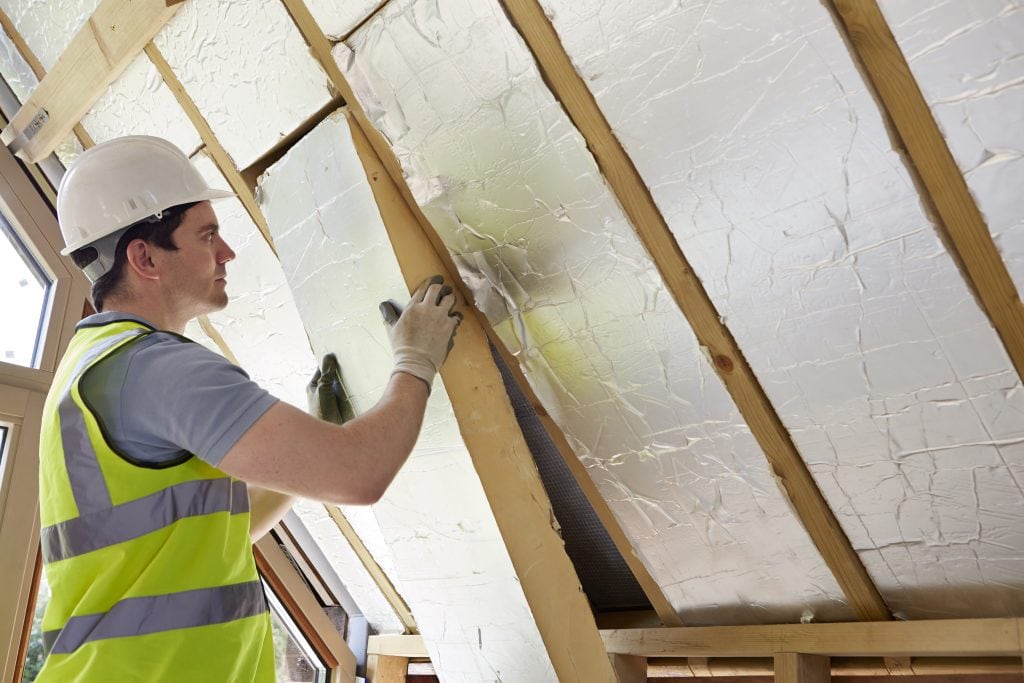
UKGBC welcomes the focus on clean energy technologies, but we are also clear that building fabric must remain a core part of the solution. The Plan rightly recognises that insulation and other fabric measures, when installed with appropriate ventilation, are a cornerstone of energy efficiency, particularly for low-income households, but with the overall emphasis increasingly leans toward technologies such as solar and batteries as the primary routes to bill reduction.
There was much needed focus on adaptation and resilience, with an extension of Boiler Upgrade Scheme support for air-to-air heat pumps, which can provide cooling as well as heating. As the UK faces hotter summers alongside colder winters, ensuring homes deliver year-round comfort is increasingly important, as demonstrated in UKGBC’s industry-leading Climate Resilience Roadmap.
A major strength of the Warm Homes Plan is its focus on low-income households. £5 billion is allocated to fully funded retrofit packages, with a target to lift up to one million families out of fuel poverty. Delivery will increasingly be led by local authorities and housing associations, with a move toward a single, streamlined low-income scheme. This place-based approach reflects best practice and aligns closely with UKGBC’s Local Area Retrofit Accelerator work. Coordinating upgrades at neighbourhood scale can deliver better outcomes, from lower bills and improved health to local jobs and regeneration.
The introduction of a government-backed consumer loan offer is another important development. UKGBC has long called for accessible, low-cost finance to support home upgrades, and these low-interest loans will play a valuable role in unlocking private investment and supporting households who want to act.
The Plan also provides long-awaited clarity on Minimum Energy Efficiency Standards for rented homes. Aligning standards across the private and social rented sectors by 2030 is an important step in protecting renters from high energy bills and poor living conditions. Additional reform of Energy Performance Certificates, offers an opportunity to provide clearer, more accurate information about the most appropriate upgrades for different homes.
The creation of a new Warm Homes Agency to coordinate delivery, consumer advice and oversight is a welcome move – consumer confidence, quality assurance and clear redress mechanisms are essential for success at scale. The Plan also recognises the importance of skills, supply chains and UK manufacturing, including continued support for training and an ambition for 70% of heat pumps installed in the UK to be manufactured domestically by 2035.
The challenge now is delivery and getting the transition from old to new right. UKGBC looks forward to working with government and industry to turn this Plan into action on the ground.

Read our full analysis here
Warm Homes Plan Analysis
Unpacking the Warm Homes Plan: Member Town Hall and Discussion
Policy & Advocacy
Related
UKGBC responds to the CCC’s Scotland Progress Report


UKGBC launches Framework to accelerate a nature-positive built environment


To succeed, the Warm Homes Plan must put resilience centre-stage


Membership Opportunities (January 2026-March 2026)

