
UKGBC responds to the CCC's 'A Well Adapted UK' report

Joanne Wheeler, Co-Head of Policy & Places at UKGBC, said:
The CCC has made the challenge plain: the UK must adapt faster or face mounting threats to people, places and the economy. UKGBC’s Climate Resilience Roadmap shows how that shift can be made in practice, with joined-up action across the built environment and government. The challenge is serious, but it is not beyond us if we choose to act now.”
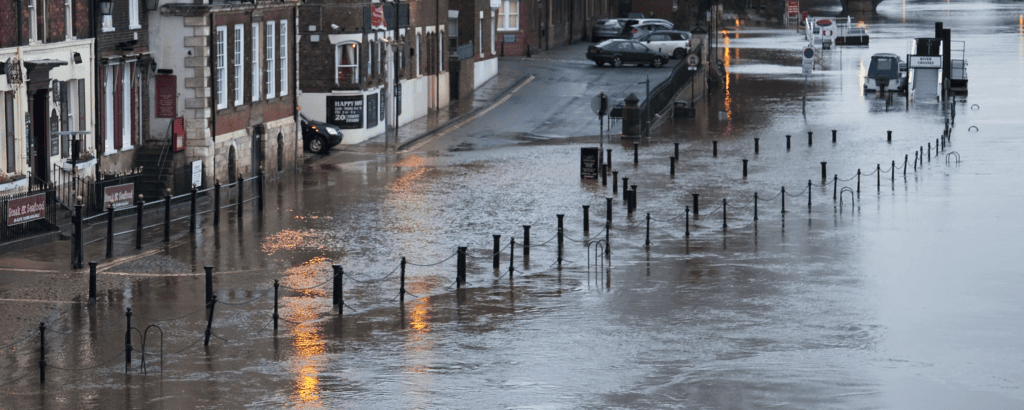
The Climate Change Committee’s (CCC) latest assessment of climate risk is a clear and urgent signal that the UK must accelerate adaptation now. Climate impacts are already being felt across the country, and the report makes plain that higher temperatures, flooding, drought and cascading infrastructure risks will intensify unless government, business and communities act at pace. UKGBC strongly welcomes the CCC’s focus on practical, evidence-based action, and the emphasis on clear targets, delivery plans and accountability.
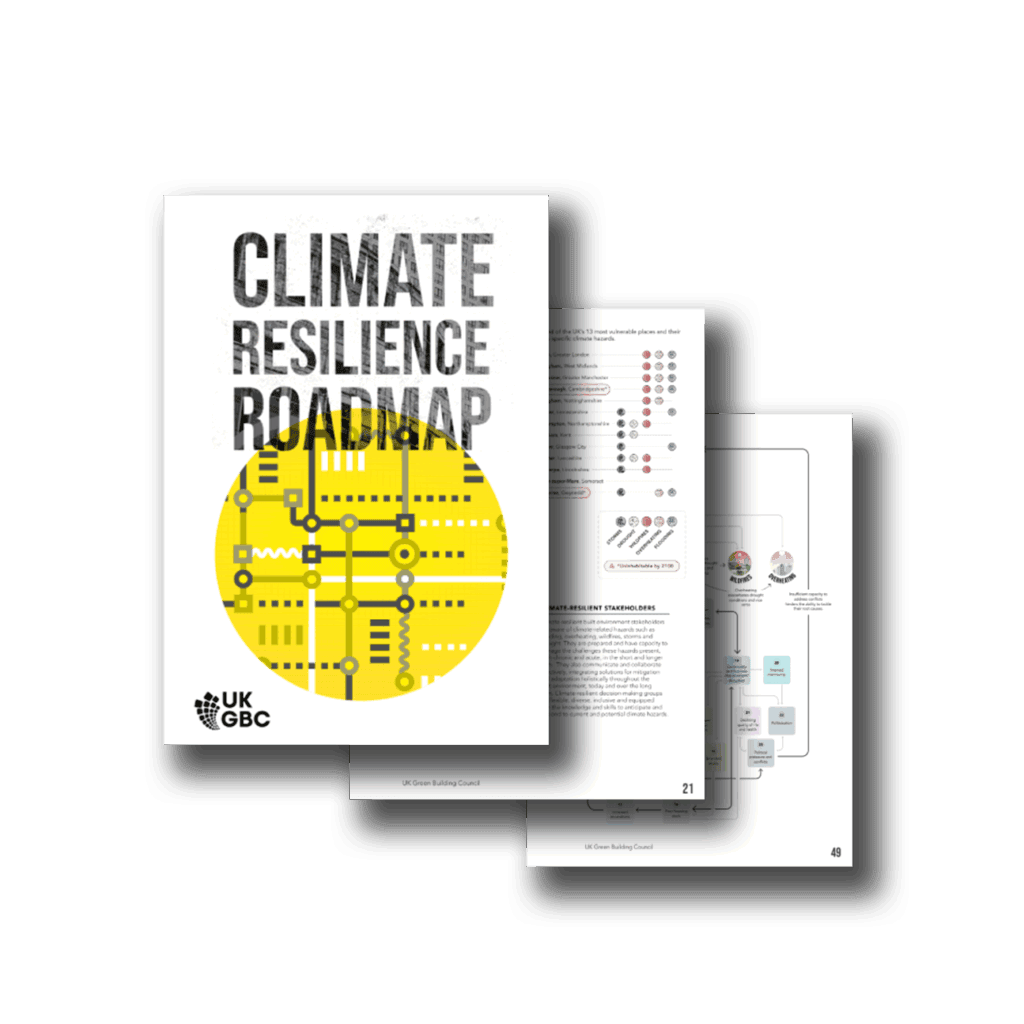
This message echoes what UKGBC has been saying through our Climate Resilience Roadmap, which sets out how the built environment can move from awareness of climate risk to assessment, prioritisation and implementation. We have long argued that resilience cannot sit in isolation: it must be integrated with decarbonisation, nature, health and wellbeing, and long-term value. The CCC’s report reinforces that approach, particularly in relation to homes, infrastructure, public services, and the need to protect the most vulnerable.
On the built environment, the CCC highlights the need for new buildings to be fit for a changing climate, for existing homes and assets to be retrofitted and upgraded, for better preparedness, and for cooling and water resilience to be addressed at scale. UKGBC’s Climate Resilience Roadmap supports exactly this shift: from broad ambition to the practical, site, portfolio, and community-level decisions needed to reduce risk and deliver more resilient places.
For industry, the message is straightforward. Climate resilience needs to become a core part of investment, design, planning, procurement and asset management. That means acting now on heat risk, flood risk, water scarcity and infrastructure interdependencies, and using the tools, standards and methods already available to make adaptation routine rather than exceptional.
For government, the priority is equally clear. The CCC sets out the case for stronger objectives, measurable targets, delivery plans and monitoring, backed by regulation, standards and investment. UKGBC support this direction and would add that policy must enable joined-up action across departments and sectors, so that resilience measures are not delivered piecemeal. Planning policy, building standards, infrastructure development, and funding programmes all need to reflect the climate risks we already face, and the more severe future risks that are now unavoidable.
There is a strong case for greater emphasis on nature-based solutions, passive cooling, flood risk management and long-term asset maintenance, all of which can deliver resilience and wider co-benefits. The CCC’s analysis shows that many adaptation actions are cost-effective today, and that delay only increases cost and harm. UKGBC believes this should galvanise a shift in both mindset and delivery: adaptation is no longer a future issue, but an immediate investment in safety, wellbeing and economic stability.
The CCC’s report and UKGBC’s Climate Resilience Roadmap both make the same case: adaptation needs to move from principle to practical delivery. The UK needs clear leadership, practical delivery and sustained investment to create a well-adapted built environment. The opportunity here is to reduce harm, protect lives and livelihoods, and create places that resilient, inclusive and fit for the climate reality we are already entering.

UK Climate Resilience Roadmap
Policy & Advocacy
Related
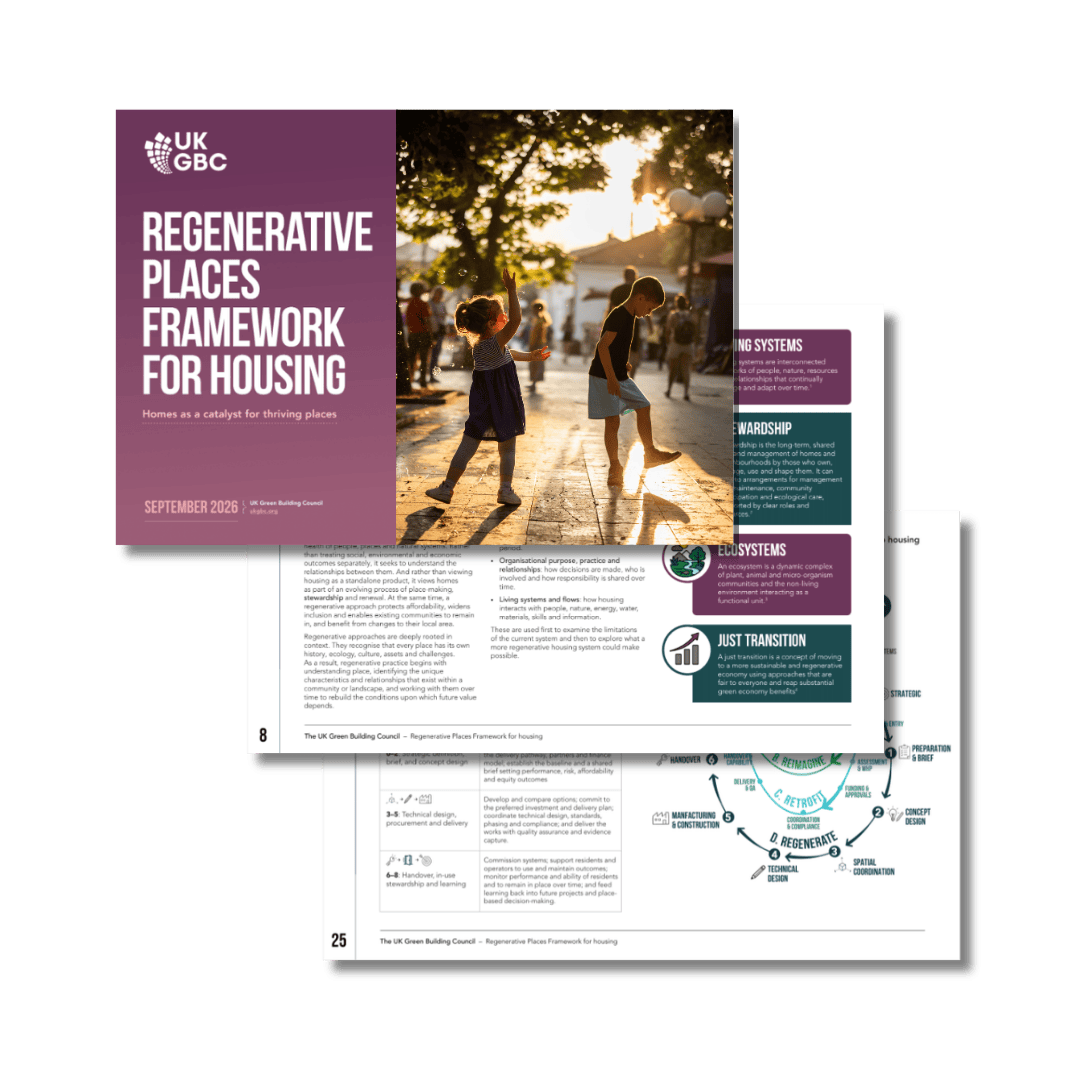
UKGBC launches Regenerative Places Framework for Housing

New Term, Fresh Start: What we need from the new government’s first year


BuildingLife Campaign: Whole Life Carbon: From Standards to Action


How is flagship climate policy shaping UK construction?

